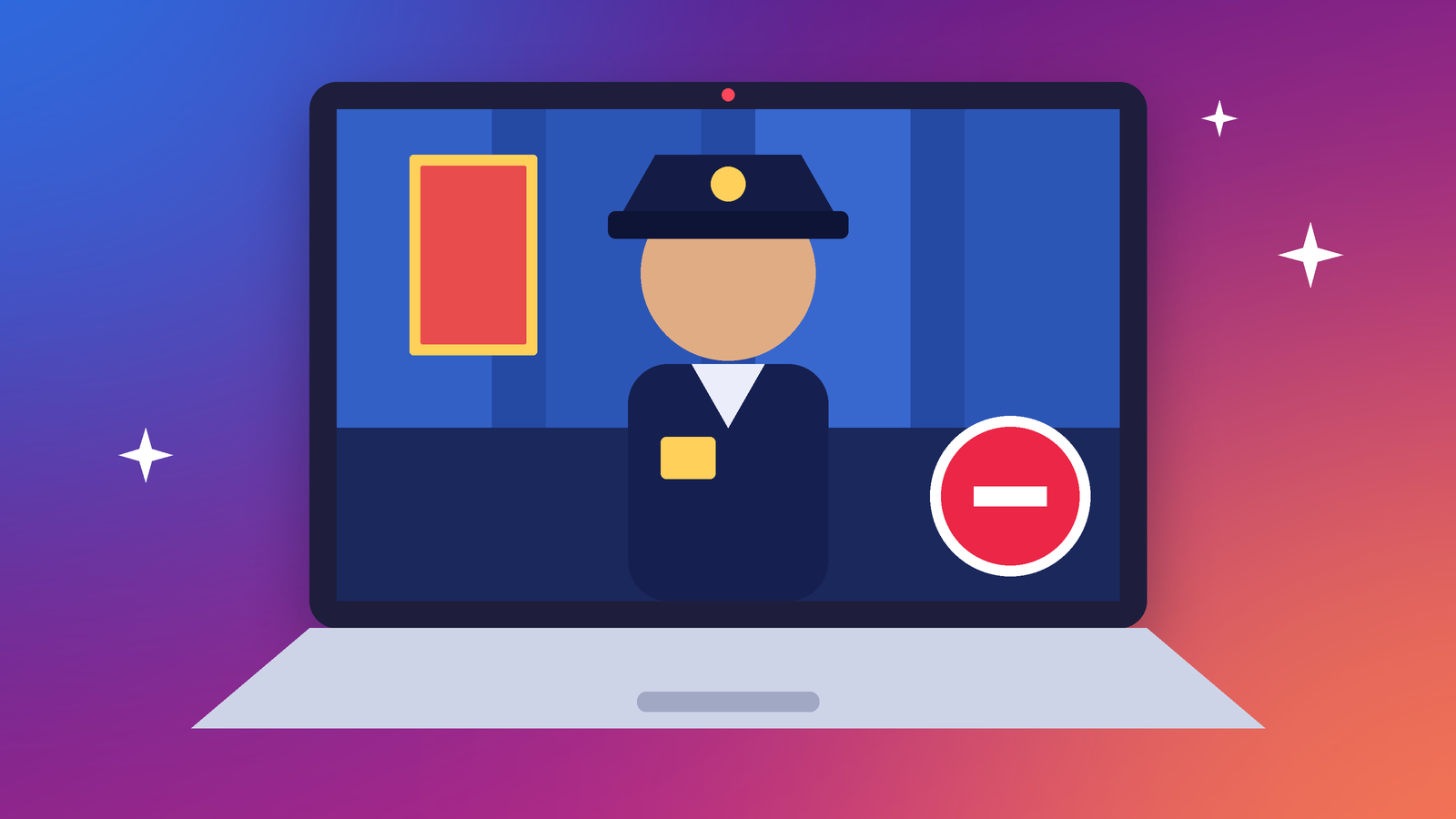
Picture a weekday afternoon. Your phone rings. The caller says a parcel in your name has been stopped, and that it contains drugs and fake passports. Before you can finish saying you never sent anything, you are passed to a senior officer. Now it is a video call. There is a uniform on the screen, and behind it, something that looks very much like a police station.
You are told not to hang up. You are told this is serious. And, eventually, you are told there may be a way to settle it.
That scene is illustrative, not one person's case. We built it from how India's Ministry of Home Affairs describes the pattern. It is worth walking through slowly, because the whole scam depends on you never getting the chance to.
A script, not a coincidence
The opening varies, but the structure rarely does. The official alert says callers typically claim you sent or are due to receive a parcel holding illegal goods, drugs, or fake passports. Sometimes the hook is more personal: a relative has been caught up in a crime or an accident, and is in their custody.
Then comes the part that gave the scam its name. Victims can be made to stay visible on a video call until the demands are met. Nobody comes to your door. The camera does the confining.
The set dressing is deliberate. The fraudsters are known to use studios built to look like police stations and government offices, and to wear uniforms. Finally, the point of it all: a demand for money to settle the case.
Why it works on careful people
Our reading: this scam does not rely on you being careless. It relies on you being a law-abiding person who takes authority seriously. It stacks three pressures at once.
Fear. Drugs, money laundering, a relative in custody. These are accusations that shut down calm thinking.
Authority. A uniform and an office on screen answer the doubt forming in your mind before you can voice it.
Isolation. Staying on camera stops you doing the one thing that ends the scam: asking someone else. Any instruction to keep this secret is a warning sign in itself.
How big this got
The government describes it as organized crime, learnt to be run by cross-border syndicates, and the numbers reflect that. A status report before the Supreme Court showed complaints falling from 1,23,672 in 2024 to 58,249 in 2025, and 16,377 up to June 30, 2026. In a single investigation, the CBI identified 238 victims and transactions worth about ₹80 crore. By early 2025, authorities had blocked more than 3,962 Skype IDs and 83,668 WhatsApp accounts used in these scams.
The falling complaint count is encouraging, but it is not an all-clear. The Court itself said continued monitoring remains necessary. And complaints only count the cases somebody reported.
The one fact that breaks the script
India's cyber crime coordination centre has put it plainly: the CBI, police, customs, ED, and judges do not arrest people through video calls.
Hold on to that sentence. However convincing the uniform, however detailed the case number, an arrest over a video call is not what it claims to be. You do not need to win the argument with the caller. You only need to end the call.
If the call comes
- Hang up. You don't owe the caller an explanation, and you are not breaking any rule by ending the call.
- Send nothing. No money, no OTPs, no bank details, no photos of your identity documents.
- Tell someone right away. Saying it out loud to a person you trust often breaks the spell.
- Check independently. If you are still worried, contact your local police station using a number you looked up yourself, not one the caller gave you.
- Report it. The government asks people to report these calls on 1930 or at cybercrime.gov.in, even if you did not pay.
If you have already paid
Don't let embarrassment cost you more time. Call your bank and report on 1930 straight away. Our guide to the next hour after money leaves your account walks through what to do, and what India's rules say about who bears the loss.
Tell your parents this
This is a story worth passing on before anyone needs it, especially to older relatives who may find a uniform hard to argue with. It fits in one line: real officers do not arrest you on a video call, so hang up and call me.
Sources
- Alert against incidents of 'Blackmail' and 'Digital Arrest' by Cyber Criminals (PIB, Ministry of Home Affairs)
- Amid rise in 'Digital Arrest' cases, Indian Cyber Crime Coordination Centre issues advisory for citizens (PTI, Deccan Herald)
- Alert against 'Blackmail' and 'Digital Arrest' (PIB, May 14, 2024)
- Steps taken to address the issue of digital arrest scams (PIB, March 12, 2025)
- Supreme Court issues directions to curb digital arrest scams (Bar and Bench via Moneylife, August 4, 2026)